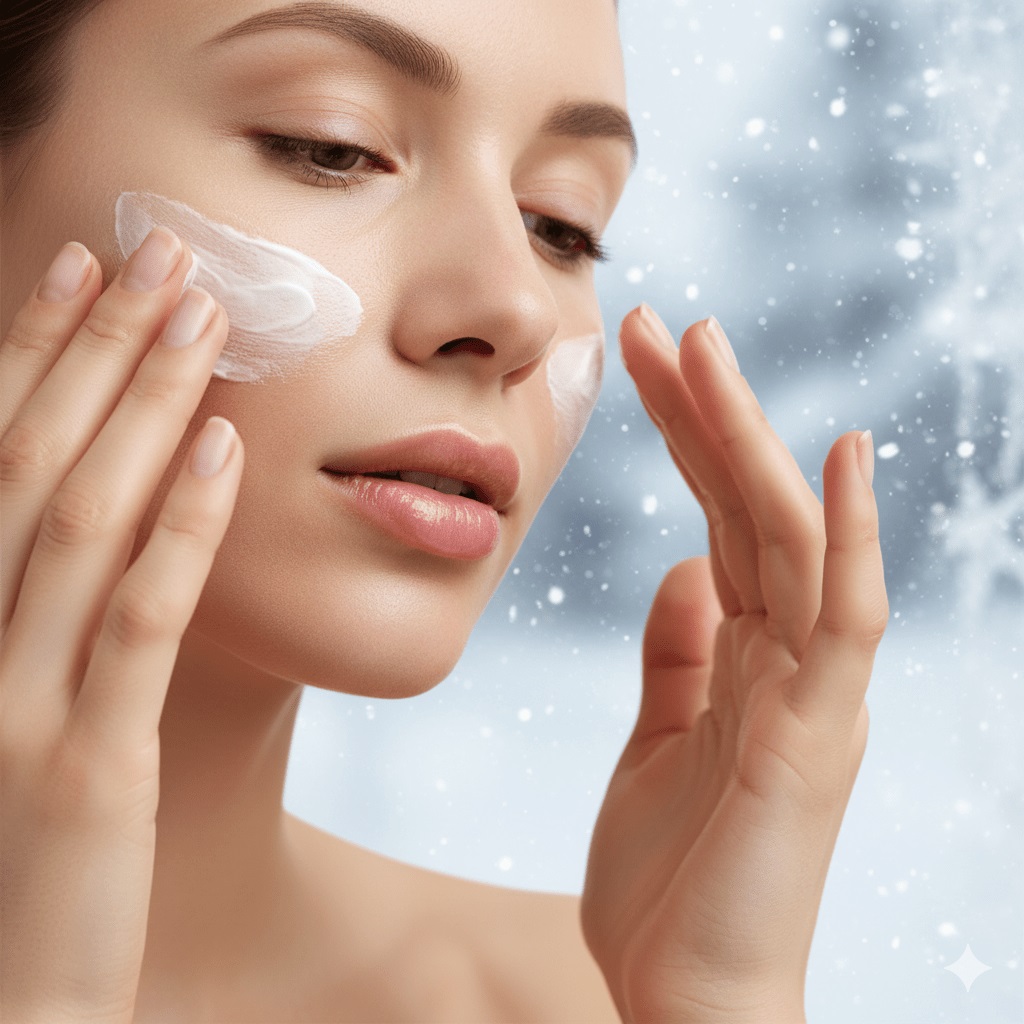
A dermatologist is crucial for identifying the root cause of dryness, treating underlying skin conditions (like eczema), and creating a personalised regimen that ensures your skin barrier remains healthy and optimally hydrated.
As winter arrives, many people in India experience dry, flaky and itchy skin. The combination of cold winds, low humidity and indoor heating strips away natural moisture, leaving the skin feeling tight and sensitive. For some, this seasonal dryness is merely an inconvenience, but for others, it can trigger eczema, psoriasis or bacterial infections. Maintaining skin health during winter requires more than just creams; it often needs personalised dermatological care. Consulting a dermatologist near me ensures you get the right diagnosis, skincare plan and preventive guidance tailored to your skin type.
How Does Winter Affect the Skin?
Cold weather reduces sebum (natural oil) production, leading to a weakened skin barrier. This allows moisture to escape, resulting in dryness, cracking and inflammation. In urban areas, post-Diwali pollution adds to the problem, particulate matter settles on the skin, clogging pores and increasing oxidative stress. Combined with hot showers and harsh soaps, this can accelerate skin ageing and irritation. Moreover, people often neglect sunscreen during winter, assuming UV exposure is low. However, harmful rays penetrate clouds, leading to pigmentation, tanning and premature wrinkles.
Common Skin Problems During Winter
The common skin problems during winter include:
- Xerosis (Dry Skin): Characterised by flakiness, itchiness and dullness.
- Eczema (Atopic Dermatitis): Dry, red patches that worsen with cold and indoor heat.
- Psoriasis: An autoimmune skin disorder that often flares up during dry, cold months.
- Acne: Dryness causes an overproduction of oil, clogging pores and worsening breakouts.
- Dandruff and Scalp Itch: Reduced humidity promotes fungal overgrowth.
- Chapped Lips and Heels: Lack of hydration leads to cracks and discomfort.
Lifestyle Factors That Worsen Skin Issues
Indoor heating, pollution and frequent handwashing with alcohol-based sanitisers contribute to barrier damage. Tight woollen clothing can cause irritation and allergic reactions. Additionally, dehydration, often overlooked in winter, depletes skin hydration levels.
Certain dietary habits, such as excessive tea or coffee consumption, also cause internal dehydration. Poor nutrition during festive indulgence, high in sugar and processed foods, further disrupts collagen production and healing.
Preventive Skin Care Tips
Preventive skin care tips include:
- Moisturise Frequently: Choose ceramide or hyaluronic acid-based moisturisers.
- Avoid Hot Showers: Use lukewarm water to prevent moisture loss.
- Use Gentle Cleansers: Avoid soaps with alcohol or fragrance.
- Stay Hydrated: Drink at least eight glasses of water daily.
- Wear Sunscreen: SPF 30+ is essential even in winter.
- Add Omega-3s to Diet: Flaxseeds, walnuts and fish promote hydration.
- Use a Humidifier: Restores indoor moisture.
- Avoid Scratching: It worsens irritation and infection risk.
- Wear Cotton Layers: Soft fabrics prevent itching and friction.
When to See a Dermatologist?
You should consult an expert dermatologist near me if you notice:
- Persistent itching, scaling or redness
- White or red flaky patches
- Painful cracks or blisters on hands or feet
- Sudden acne or rashes
- Excessive dandruff or scalp irritation
Dermatologist in Chennai available on Apollo 24|7, can assess your condition and recommend personalised treatments like topical creams, medicated shampoos or phototherapy for chronic issues such as psoriasis or eczema.
Diagnosis and Treatment Options
Skin specialists near me often perform visual assessments or skin patch tests to identify allergies and infections. Depending on the diagnosis, treatment may include:
- Emollient therapy for dry and eczema-prone skin.
- Topical steroids or calcineurin inhibitors for inflammation.
- Antifungal shampoos for dandruff.
- Chemical peels or laser therapy for pigmentation and acne scars.
- Phototherapy for psoriasis or chronic dermatitis.
For optimal results, dermatologists may also suggest tailored skincare routines, including gentle exfoliation and protective serums to restore skin balance.
Long-Term Skin Care for Indian Winters
In northern regions like Delhi and Chandigarh, smog and temperature dips worsen dryness, while coastal cities like Mumbai and Chennai face humidity-induced acne and fungal infections. Thus, skincare should always be location-specific. A top dermatologist near me can provide advice suited to your city’s climate.
Regular follow-ups during seasonal transitions from monsoon to winter to help manage skin sensitivity and prevent flare-ups. Healthy skin not only boosts confidence but also supports the body’s natural defence against bacteria and allergens.
Conclusion
Ultimately, healthy skin is far more than just a matter of aesthetics; it serves as a powerful, visible reflection of your overall internal health and well-being. By committing to a tailored, consistent skincare routine and seeking timely professional medical guidance from a dermatologist, you empower your skin to stay radiant, resilient, and fully hydrated, successfully navigating challenges like the cold winter months and maintaining its natural barrier function year-round.


