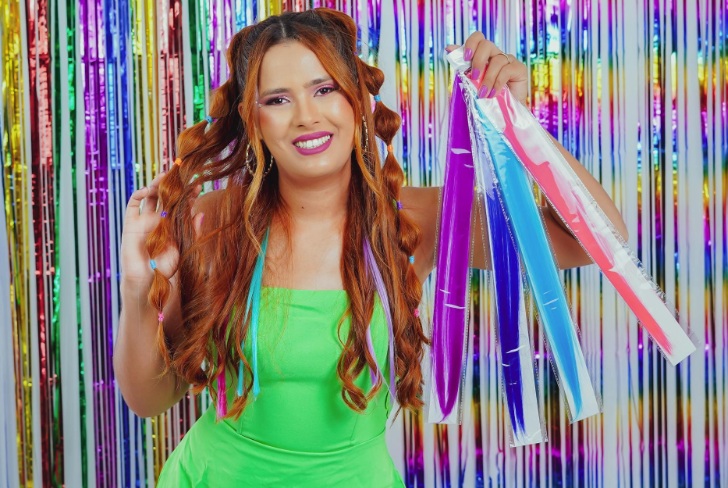
Hair extensions can be a powerful way to enhance volume, length, or balance—but only when they work with your natural texture rather than against it. One of the most common reasons extensions look unnatural or feel uncomfortable is a mismatch between the extension type and the wearer’s hair texture. When texture is overlooked, blending becomes difficult, maintenance increases, and confidence often takes a hit.
Choosing the right extensions starts with understanding your hair as it is, not as you wish it behaved. Texture influences everything from how hair moves and holds style to how it reacts to humidity and daily wear. When extensions are selected thoughtfully, they integrate seamlessly into routines and support a natural, effortless look.
Start by Understanding Your Natural Texture
Texture refers to the natural pattern of your hair—straight, wavy, curly, or coily—as well as how fine or coarse each strand is. It’s different from density, which describes how much hair you have overall. Both matter, but texture is the foundation of a natural-looking result.
Straight hair tends to show inconsistencies more easily. Extensions for straight textures need to match not just smoothness, but also weight and fall. Wavy hair offers more flexibility, as slight differences can be disguised through movement. Curly and coily textures require the most precision, as curl pattern, shrinkage, and frizz behavior all affect blending.
Before choosing extensions, observe how your hair behaves when air-dried and styled minimally. This gives the clearest picture of your true texture and helps guide realistic choices.
Why Texture Matching Matters More Than Length
Many people focus first on length, but texture matching is far more important. Extensions that are the “right” length but the wrong texture will never blend properly, no matter how well they’re styled.
When texture matches, extensions move and respond like natural hair. They react similarly to humidity, hold curl in the same way, and settle naturally throughout the day. When texture clashes, the difference becomes obvious—especially as styles loosen or environments change.
A subtle mismatch can often be corrected with styling, but relying on daily heat or manipulation increases maintenance and stress on both natural hair and extensions. Texture-aligned choices reduce effort and improve longevity.
Choosing the Right Extension Type for Your Hair
Different extension types suit different textures and lifestyles. Clip-ins, tape-ins, sew-ins, and bonded extensions all interact with natural hair in distinct ways.
Clip-ins offer flexibility and are often easier to blend for wavy or textured hair, as they can be placed strategically. Tape-ins lie flat and work well for fine to medium textures when density is carefully matched. Sew-ins and braided bases are often preferred for curly or coily hair because they anchor extensions in a way that respects natural movement.
For those dealing with thinning at the crown or uneven density, a natural hair topper can be an effective solution. When chosen in a texture that matches natural hair, it integrates smoothly without requiring full-length extensions or heavy volume throughout the head.
The best choice depends on how your hair behaves daily, how much styling you want to do, and how permanent you want the solution to be.
Density and Weight: Avoiding the “Shelf” Effect
Density—the amount of hair per square inch—plays a crucial role in blending. Extensions that are too dense compared to your natural hair can create a visible line or “shelf” where extension hair begins.
Fine-haired individuals often benefit from lower-density extensions that add subtle fullness rather than dramatic volume. Medium-density hair can support a wider range of options, while thick or coarse hair usually requires higher-density extensions to blend convincingly.
Weight also matters. Extensions that are too heavy for your natural hair can cause tension, discomfort, or breakage over time. Matching density ensures comfort as well as appearance.
Texture-Specific Care and Maintenance
Each texture comes with its own care needs, and extensions should be chosen with maintenance in mind. Straight extensions often show oil and product buildup more quickly, requiring gentle cleansing and minimal product. Wavy and curly extensions need moisture and careful detangling to preserve pattern.
Choosing extensions that align with your existing routine reduces friction. If your natural hair thrives on low manipulation, extensions that demand daily styling may not be sustainable. Texture-compatible extensions behave predictably, making routines easier to maintain long term.
Maintenance isn’t just about products—it’s about lifestyle. The right texture choice allows extensions to fit into daily life rather than dominate it.
Blending Techniques That Support Natural Results
Even well-matched extensions need thoughtful blending. Layering, placement, and cutting all influence how natural the final look appears. Extensions should be trimmed and shaped to mimic natural growth patterns rather than sitting as a separate layer.
For textured hair, blending often involves shaping rather than straightening. Preserving curl pattern creates cohesion and reduces the need for constant styling. For straighter textures, subtle layers and careful placement prevent harsh lines.
Professional customization makes a significant difference. Extensions are not one-size-fits-all; they work best when adapted to the individual.
Letting Your Texture Lead the Look
The most natural-looking extensions are those that enhance, rather than override, natural texture. Instead of forcing hair into a different pattern, allow your texture to guide styling choices.
Embracing texture creates authenticity. Hair looks more believable—and feels more comfortable—when it behaves the way it’s meant to. Extensions that follow this principle fade into the background, allowing confidence to take center stage.
When hair feels like an extension of yourself rather than an add-on, routines become simpler and self-expression feels more genuine.
Conclusion
Choosing hair extensions that work with your texture is about respect—for your hair, your time, and your lifestyle. Texture determines how extensions blend, how much maintenance they require, and how natural they feel day to day.
By prioritizing texture matching over dramatic changes, considering density and weight, and selecting extension types that align with daily routines, you create results that are seamless and sustainable. The best extensions don’t announce themselves—they support your natural hair quietly, allowing confidence and comfort to lead the way.

