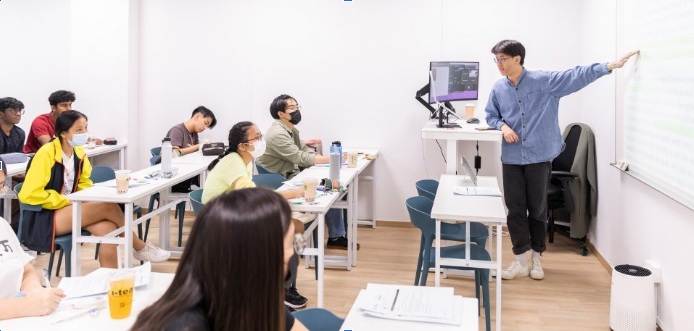
The academic landscape in Singapore is highly competitive, particularly for students enrolled in the Integrated Programme (IP). Designed for academically strong learners, the IP offers a rigorous curriculum that emphasises conceptual understanding, independent learning and critical thinking. As expectations increase, many students require structured academic support to manage the demands effectively. This growing need has led to a rise in specialized IP tuition, which plays an important role in strengthening subject mastery and academic confidence.
This article examines the importance of IP tuition in Singapore, explains how it supports academic performance, and outlines key considerations for parents when choosing a suitable tuition centre.
Understanding the Integrated Programme in Singapore
The Integrated Programme is a six-year educational pathway that allows students to bypass the GCE O-Level examinations and progress directly to the GCE A-Level, International Baccalaureate or other equivalent qualifications. The programme focuses on depth rather than rote learning, encouraging students to analyse concepts, apply knowledge and engage in higher-level thinking.
While the IP provides flexibility and academic enrichment, it also presents challenges. Students are expected to cope with accelerated content, heavier workloads and more abstract learning methods. Without standardized national examinations in the middle years, some students may struggle to track their progress or identify gaps in understanding. This makes external academic support an important consideration for many families.
The Role of IP Tuition in Academic Development
IP tuition is designed to complement school instruction by providing targeted guidance that addresses individual learning needs. Unlike general tuition, IP-focused programmes align closely with the IP syllabus and assessment style. Tutors help students break down complex concepts, structure arguments clearly, and develop analytical writing skills.
Through consistent practice and feedback, students gain a stronger grasp of subject content and improve their ability to manage assessments. Tuition also reinforces independent learning habits, which are essential for long-term academic success within the IP framework. Over time, this structured support contributes to improved performance, reduced academic stress and greater confidence in learning.
Benefits of Specialised IP Tuition
One of the main advantages of IP tuition is its personalized approach. Lessons are often adapted to match the student’s pace, strengths and areas for improvement. This allows tutors to focus on conceptual clarity rather than exam drilling alone.
Specialized tuition also exposes students to advanced questioning techniques and higher-order thinking skills. These are critical for success in IP assessments, which prioritise explanation, evaluation and synthesis of ideas. In addition, students benefit from guided discussions, essay planning support and exposure to enrichment materials beyond the standard curriculum.

Midway through the IP journey, many parents seek structured academic support from a dedicated IP tuition centre Singapore to ensure their child remains confident and academically prepared. Such centres provide focused instruction that aligns with IP expectations while offering consistent academic monitoring.
Factors to Consider When Choosing an IP Tuition Centre
Selecting the right IP tuition centre requires careful evaluation of several factors. Curriculum alignment is essential, as lessons should reflect IP learning objectives rather than standard examination syllabi. Parents should also consider tutor qualifications, subject expertise, and familiarity with the IP framework.
Class size and teaching approach are equally important. Smaller groups or one-on-one sessions often allow for more personalised attention and meaningful feedback. Location and scheduling flexibility can affect consistency, while transparent fee structures help families plan effectively.
A proven track record, supported by student outcomes and parent feedback, offers additional assurance. Most importantly, the tuition centre should be able to adapt its teaching methods to suit the student’s learning style and academic needs.
Supporting a Child Beyond Tuition
While IP tuition provides academic structure, parental support remains essential. Emotional encouragement helps students manage academic pressure and maintain motivation. Open communication allows parents to identify challenges early and respond appropriately.
Maintaining balance is also important. Students should be encouraged to manage their time effectively, balancing academics with rest, physical activity, and personal interests. A healthy routine supports focus, resilience, and long-term academic sustainability.
Parents can further support learning by reinforcing positive study habits at home and encouraging reflective thinking rather than excessive comparison with peers.
Conclusion
The Integrated Programme offers strong academic opportunities but also presents unique challenges that require consistent support. IP tuition plays a crucial role in helping students manage academic demands, deepen understanding, and develop essential thinking skills. Through personalised instruction, structured guidance, and ongoing feedback, specialised tuition strengthens academic performance and builds confidence.