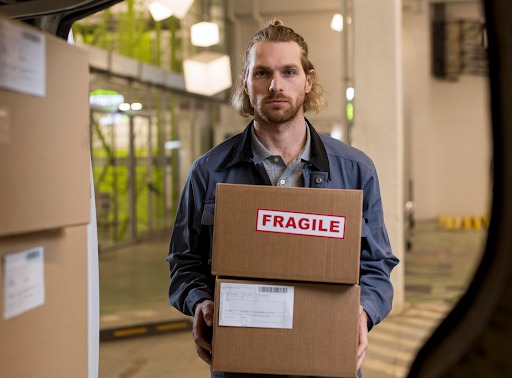
The e-commerce and parcel delivery services involve efficiency and professional care, especially regarding fragile materials, as a single shipment goes through multiple touchpoints. Here, we explore how you can successfully and securely ship fragile materials long distances.
Shipping fragile materials across long distances is not a contemporary method, as trading all over the world via oceans is well-acknowledged in global history. But what’s the difference between this large-scale shipping and modern e-commerce and parcel delivery? Well, in the latter practice, the manufacturers or service providers are more responsible for delivering products within a limited time frame. It’s not only about real-time delivery, but the overall market performance depends on it, too.
However, in the case of fragile materials, you need to be more careful to keep them unharmed and intact. In this regard, the use of corrugated paper rolls, durable boxes, efficient packing, box packing tapes, and other materials is highly required, along with strong craftsmanship.
But is that all? What should you keep in mind, or how can you be more careful, to ensure a successful shipment? Let’s find out.
How to Ensure the Best Packing: A Step-by-Step Packing Guide
Here, you can learn about different steps and stages for the best quality packing you need to ship fragile materials across long distances.
Choose the Right Box
Well, before everything, make sure that the box you choose is the right one to carry fragile materials, throughout every touchpoint, such as loading, unloading, sorting, and transporting, involving the risks regarding accidental drops or improper handling.
Use a double-walled, sturdy corrugated box. Make sure that it is slightly larger than the wrapped item, so that you can ensure proper and effective padding, required for safety. Use box packing tape to protect the items from spilling out of the box due to damage.
Wrap Individually
Wrapping individual items is essential, since it can protect the item from manhandling, even if the box is damaged due to additional pressure or collision.
To keep the items safe, wrap them with foam sheets or bubble wrap, securing with tape to prevent contact between items. It provides a strong cushioning, protects items from shock, jerking, vibration, and fills voids, and sudden impacts inevitably occur during transit. However, proper wrapping with a sturdy outer container helps ensure the safe and intact arrival of fragile items at the right destination, mitigating some common shipping hazards.
Create a Cushion Base
Place a layer of packing peanuts, crumpled paper, or foam at the bottom of the box.
Be careful about cushioning to protect fragile items. Apart from using a double-box method, use a minimum 2-inch padding layer of foam, paper, or packing peanuts at the bottom of the box. Cradle individually wrapped items on top.
Once the positioning of the items (away from the box walls) is done, fill the voids inside the box with air-pillows, or you can also use corrugated paper rolls, so none of the items shift or move.
Note: You can add more layers of cushioning on the top of the items before you seal the box to dispatch.
Double-Box and Seal Securely
You need to place the securely packed box into a larger box, and do not forget to use another layer of cushioning between the two boxes.
Now, you need to tape the box (use black color box packing tape), in the H method (tape both the side seams and the center seam). Affix “Fragile” stickers on all the sides to alert handlers.
| Material | Purpose | Key Features |
| Double-Walled Corrugated Boxes | Outer container to protect fragile materials from external pressure and impacts. | High compression strengthDurableAvailable in various sizes. |
| Bubble Wrap | Basic protective layer to cushion items, with shock-absorbing ability. | Lightweight and flexibleAvailable in anti-static for electronics. |
| Packing Peanuts | To prevent movement and fill voids inside the box. | LightweightLoose-fill materialBiodegradable options are available. |
| Foam Inserts/Sheets | Tailored shock absorption Prevents harsh shifting. | Custom-cut to fit the item’s shapeExcellent cushioning for valuable items. |
| Strong Packing Tape | Securely seal all edges and seams of the box. | Strong adhesionTamper-proof options availableMoisture-resistant. |
| Packing Paper/Kraft Paper | Wrapping items individuallyAdding an extra layer or filling small gaps. | AffordableRecyclable and prevents surface scratchesDurable supplementary layer. |
Table: Key Materials You Need to Secure Fragile Materials from External Pressure
Final Tips to Secure Fragile Materials from Unwanted Damages
Here are some tips regarding the packaging of fragile materials, and to keep them.
Do Not Use Extra Large Boxes
Avoid poly mailers or extra-large boxes that allow too much movement, which can damage the materials significantly. If there are multiple items, choose large boxes, but make sure you secure strong cushioning with corrugated paper rolls.
Avoid Overloading
Do not overload. Make sure that the box, containing valuable items, is not too heavy or strongly packed with multiple items.
Hire Professionals
Considering professional packing services or carriers with specialized features is the best decision to keep the high-value items safe.
Final Thoughts
Whether it’s regarding e-commerce or parceling, make sure that you use double boxes to keep the products safe from transportation shocks or vibration. Use cushion layers carefully and wrap individual items with bubble wrap or foam sheets. Lastly, avoid overloading and do not use extra-large boxes to keep the items close.
Looking for the Best Packaging Materials?
Not sure about their quality and durability? Find the best packing materials brand near you, based on packaging product quality and reviews.