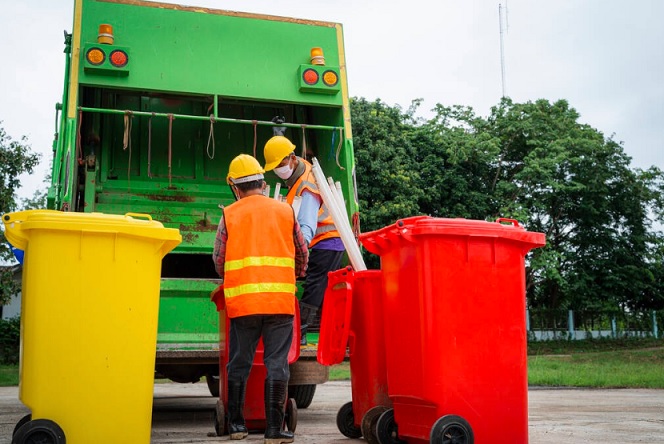
Professional Waste Disposal Services providing efficient & Eco-friendly Solutions for Waste Management. Go green!
Effective waste management is a critical component of environmental sustainability and public health. BNL Singapore offers waste disposal services that support responsible waste handling while helping businesses and communities minimise environmental impact. It encompasses the collection, transportation, treatment, and disposal of waste materials, aiming to reduce environmental impact while promoting responsible consumption and resource usage. Modern waste management strategies include recycling, composting, incineration, and safe disposal of hazardous materials.
Professional waste disposal services play a pivotal role in this system. They ensure that waste is handled efficiently and safely, reducing pollution risks and maintaining ecological balance. By adhering to regulatory standards, these services protect communities while promoting sustainable practices.
What Are Professional Waste Disposal Services?
Professional waste disposal involves the systematic handling and removal of waste by qualified providers. This includes hazardous, non-hazardous, and recyclable materials, all managed responsibly to ensure environmental safety.
Waste disposal services employ various methods to minimise ecological impact. These methods include recycling, composting, landfill operations, incineration, and specialised hazardous waste management. Each approach is designed to remove waste safely from homes, businesses, and communities while supporting environmental sustainability.
The Role of Professional Waste Disposal in Efficient Waste Management
Professional waste disposal services are essential for maintaining efficient waste management systems. They use advanced technologies and methods to handle waste safely, comply with regulations, and promote sustainability. Understanding these processes helps highlight their importance in protecting public health and the environment.
Efficient waste management offers numerous benefits. It reduces pollution, conserves natural resources, and supports recycling initiatives that contribute to economic growth. Communities benefit from safer living environments, as proper disposal reduces exposure to harmful materials and encourages responsible consumption patterns.
The Impact on Public Health and Safety
Proper waste disposal directly affects public health. By preventing contamination of air, water, and soil, professional services reduce the risk of disease and environmental hazards. Safe handling of hazardous materials minimises health risks for communities, while effective waste management ensures cleaner, safer neighbourhoods.
These services also support broader environmental goals. By reducing landfill usage and promoting recycling, they contribute to a healthier ecosystem, safeguarding both people and wildlife.
Eco-Friendly Waste Management Practices
Eco-friendly waste management focuses on sustainability and resource conservation. Techniques such as recycling, composting, and minimising landfill use reduce pollution and preserve natural habitats. These methods encourage a circular economy, where resources are reused, and waste generation is minimised.
Professional waste disposal providers prioritise eco-friendly practices. They assess waste types, optimise collection methods, and use environmentally responsible materials to reduce ecological impact. By implementing green strategies, these services help communities and businesses comply with regulations while promoting environmental responsibility.
Long-term benefits of eco-friendly disposal include reduced pollution, conservation of resources, and improved public health. Sustainable waste management practices ensure cleaner surroundings and protect the planet for future generations.
Case Studies of Successful Waste Disposal Initiatives
Case studies demonstrate the impact of professional waste disposal services. One example highlights efficient waste management through advanced recycling systems and community engagement. By reducing landfill contributions and promoting sustainability, this initiative inspired similar programmes in neighbouring areas.
Another case study illustrates eco-friendly waste disposal. By integrating green practices, this project not only reduced environmental impact but also increased community awareness. The initiative fostered healthier ecosystems and encouraged other organisations to adopt sustainable measures.
These examples underline the importance of best practices. Learning from successful initiatives helps identify effective strategies and avoid common pitfalls, guiding future waste management programmes.
Choosing the Right Professional Waste Disposal Service
Selecting an appropriate waste disposal provider requires careful consideration. Key factors include the company’s reputation, pricing, range of services, customer support, and long-term reliability. Reviews and testimonials offer insights into service quality and client satisfaction.
Choosing an inefficient service can have significant consequences. Poor waste management leads to increased pollution, financial losses, reduced productivity, and potential reputational damage. Ensuring a reliable and competent provider is essential for sustainable operations and community safety.
The Future of Waste Management
Waste management is evolving to meet growing environmental challenges. Emerging trends include advanced recycling technologies, circular economy adoption, waste-to-energy solutions, and improved composting methods. These innovations aim to maximise resource recovery while minimising environmental harm.
Professional waste disposal services must adapt to these changes. By embracing technology, continuously updating practices, and maintaining flexibility, providers can meet evolving demands while ensuring high-quality service. Innovation and adaptability are key to maintaining a competitive advantage in a sustainable future.
Frequently Asked Questions About Waste Disposal
The most cost-effective disposal methods often involve local recycling and composting programmes. These initiatives reduce landfill contributions while lowering expenses compared with traditional waste removal.
Free disposal options include donating unwanted items to charities, participating in community clean-up events, or offering goods online for free collection. Many recycling centres also accept materials at no cost, providing efficient ways to manage clutter.
Garbage disposal fees vary depending on location and service providers. Fees may be included in municipal bills or charged separately, so it is essential to check local regulations.
Deciding whether to rent a dumpster or hire junk removal depends on project size and timing. Dumpsters are usually cost-effective for larger projects, whereas junk removal suits smaller loads and short-term needs.
Conclusion
Professional waste disposal services are indispensable for maintaining environmental safety, public health, and sustainability. By employing efficient and eco-friendly methods, these services manage waste responsibly, reduce pollution, and conserve resources.
Choosing the right provider ensures safe and effective waste removal, supports community well-being, and prepares organisations for future waste management challenges. As environmental awareness grows, professional services that prioritise innovation, sustainability, and compliance will continue to play a central role in creating cleaner, healthier communities.