Based on Statista’s recent data, as of October 2025, 6.04 billion individuals worldwide were internet users, which amounted to 73.2% of the global population. However, there are still about 2.2 billion people who remain without internet access.
These people rely on the internet for communication, work, education, and entertainment, illustrating the need for dependable network connectivity. With households and businesses increasingly dependent on stable connections, many users explore established solutions such as TP Link to meet growing performance and reliability demands.
As the number of connected devices continues to rise, selecting reliable networking equipment has become essential for ensuring consistent performance, security, and long-term usability. Making informed choices helps prevent connectivity issues and reduces the need for frequent upgrades.
Here are the key factors in choosing networking equipment that allows both home users and businesses to build networks that meet current needs while remaining adaptable to future demands.
Understanding Networking Equipment
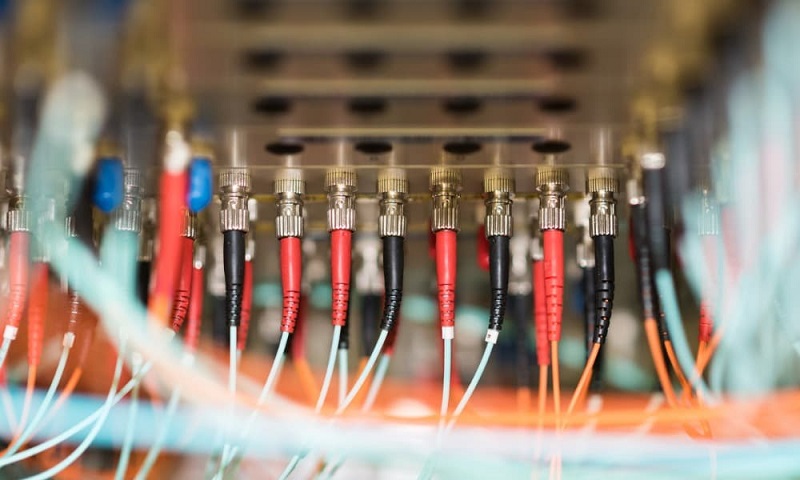
The networking equipment includes the hardware that is necessary for the communication and connection of devices through the network. Common examples include routers, modems, switches, access points, and network adapters. Each component has its own particular role in managing data traffic, granting internet access, and making the network reliable.
Both these devices work together in homes and in commercial environments to create a virtual thread with which users and online services stay connected.
Why Reliable Networking Equipment Matters
At the forefront, platforms that promise a solid, lag-free connection to users are of utmost importance for productivity and a favorable user experience. In a business environment, network downtime can disturb production, lower customer service, and indirectly cause loss of income. The same situation with a home user would be an unstable connection affecting remote work, online study, and even gaming.
The rising demand for networks will make the old or low-quality equipment practically unable to cope, and the consequence will be a reduction in speed, increased disconnections during calls, and even a more vulnerable system when it comes to security.
Key Features to Look for in Networking Equipment
Capability of performance is one of the major factors. Network equipment must meet the latest networking standards and offer enough bandwidth to cater to the needs of more than one device at the same time.
Security measures are as important as performance capability. A firewall, encryption, and regular firmware upgrades are some of the types of security measures that protect the network from unauthorized access and hackers.
Management simplicity is yet another factor that should be taken into account, particularly for companies. Intuitive interfaces and centralized control choices make setting up, monitoring, and dealing with problems a lot easier.
Common Use Cases for Home and Business Networks
Reliable networking equipment in home environments takes care of smart devices, streaming services, and work-from-home setups. The full coverage and steady speed allow uninterrupted daily activities to be carried out smoothly.
In the case of companies, the networking equipment has to deal with more users, data-rich applications, and sometimes even several locations. Scalability and reliability are two main factors that help considerable expansion and smooth operation.
How to Choose the Right Networking Equipment
The first step for selecting appropriate devices is recognizing the network requirements. The main aspects that should be taken into account are the area dimension, the user count, and the application types used.
Other characteristics that should affect the choice are device compatibility, potential for future upgrading, and availability of technical support. The solution of investing in equipment that meets the needs of the future can lead to the cutting down of maintenance costs and the boosting of general performance.
Best Practices for Installation and Maintenance
The installation done properly has a huge impact on the performance of the network. Smart router and access point positioning not only covers the area fully but also reduces the interference to the lowest level.
The network will be less prone to failures, more secure, and reliable for a longer period if regular firmware updates, performance measuring, and network assessments are done frequently. Thus, by adopting these practices, one is assured of receiving the full benefit of the networking equipment as the demands change.
When reliable and quality networking equipment is purchased according to particular needs, the home users and the companies will have networks that are stable, secure, and that perform well. Good planning and wise decisions not only help in providing uninterrupted connectivity today but also make the networks ready for the technological advancements of the future.