Table of Contents
- What Are Natural Backlinks?
- Why Are Natural Backlinks So Valuable?
- Current Link Building Trends
- White Hat vs. Black Hat Strategies
- Content-Driven Link Acquisition
- Relationship Building in Link Earning
- Measuring Backlink Quality
- Future Outlook of Link Building
- Conclusion
What Are Natural Backlinks?
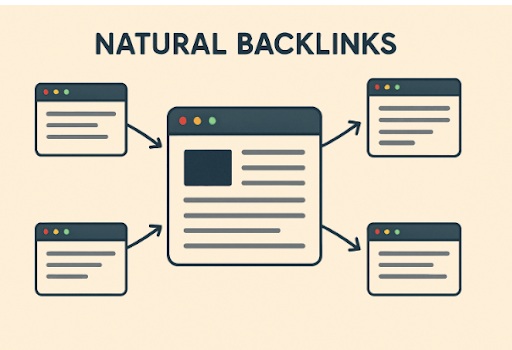
Natural backlinks are links your website earns without paying for or exchanging favors. They are the result of content others value so highly that they willingly cite or share it as a reference or resource within their domains. This organic process sends strong trust and authority signals to search engines, indicating that your content is a credible, high-quality source. For businesses or blogs looking for strategic growth, working with reputable link building services can enhance your overall strategy to attract these natural mentions in the digital landscape.
Google’s ever-evolving algorithms now prioritize links that emerge from authentic online interactions rather than those manually placed to boost rankings. Earning backlinks this way helps establish long-term authority and strengthens your brand’s presence on competitive search engine results pages. These natural endorsements are more complex to manipulate and clearly indicate Google’s trustworthiness and relevance ranking algorithms.
Why Are Natural Backlinks So Valuable?
Search engines view natural backlinks as an endorsement from one site to another, elevating the recipient as a trusted authority. The most prominent pages, especially those ranking in the top search positions, consistently have robust, organic link profiles. This isn’t just a coincidence — high-quality, natural backlinks are often a major distinguishing factor between a website that ranks well and one that doesn’t.
In addition to enhancing rankings, natural backlinks can drive targeted traffic from referring websites. When people click on these links, they are already interested in your content, leading to better engagement metrics such as longer page visits and reduced bounce rates. According to Search Engine Journal, the positive relationship between natural backlinks and improved online authority underscores why focusing here is critical for sustained SEO performance.
Current Link Building Trends
The landscape has evolved dramatically over the past few years. In 2024, editorial links have become the gold standard. These are links placed naturally within authoritative content — not because someone specifically requested them, but because they added value for readers. As Google’s algorithms become more sophisticated, transparency in how links are earned is more important than ever, rewarding brands that cultivate helpful, trustworthy resources worth sharing.
The latest industry analysis confirms that comprehensive guides, original research, and new perspectives are particularly effective at attracting organic attention. Recent SEMrush research highlights that high-value resources and in-depth data attract more links because they solve actual problems, answer pressing questions, and help professionals in a given field stay informed and ahead of trends.
White Hat vs. Black Hat Strategies
There’s a clear division between ethical (white hat) link earning and manipulative (black hat) tactics. White hat strategies focus on providing genuine value and earning links directly from your site’s reputation, expertise, or the utility of your content. Black hat methods might include paying for links, using automated bots, or excessive reciprocal linking, which can all lead to search engine penalties or even domain blacklisting.
Sustainable SEO growth comes from putting the user first and aligning content with audience needs. Over time, this approach fosters a reputation for reliability and expertise, which is more resilient to search algorithm changes and better equipped to drive organic growth.
Content-Driven Link Acquisition
Earning natural backlinks starts with outstanding content that begs to be referenced and shared. Several formats tend to outperform others in link attraction:
- How-to articles and tutorials: These help audiences solve specific problems and are often cited by others in the field.
- Case studies with unique findings: Your content’s exclusive statistics, detailed results, and practical insights make it a go-to reference point.
- Timely news or analysis: Staying at the forefront of industry developments positions your brand as an authority, prompting citations from news sources and thought leaders.
- Interactive tools or calculators: Adding functionality to your site encourages sharing and backlinks from user communities and resource round-ups.
The goal is consistently delivering resources that others would find hard to replicate or improve, amplifying your site’s perceived value. Relationship Building in Link Earning
Building lasting relationships is often the unsung hero of successful link acquisition. Engaging with journalists, bloggers, podcast hosts, and influential voices in your industry exponentially increases your content’s reach and chances for organic citations. Personalizing outreach—whether you’re suggesting a resource, contributing an expert quote, or sharing valuable data—yields better results than mass emails or automated campaigns.
Consistent engagement in relevant communities, forums, and social media lays the groundwork for mutual respect and attention. When you actively contribute meaningfully to discussions or offer exclusive insights, you position your brand as a trusted source that others naturally want to reference and promote. Investing time in authentic, long-term relationships, rather than transactional link swaps, pays lasting dividends in your backlink profile.
Measuring Backlink Quality
Beyond simple link counts, the actual value of a backlink comes from its origin and context. A topically relevant, high-authority publication backlink holds far more weight than one from a low-traffic or unrelated site. Tools like Ahrefs and Moz’s Link Explorer help you assess domain authority and contextual match. You should also evaluate the traffic, audience engagement, and editorial rigor of linking sources.
Aim for a diverse natural anchor text mix for best results and steer clear of manipulative patterns that search algorithms could flag. Diversity in referring domains and link placement signals authenticity to search engines and enhances your overall online visibility.
Future Outlook of Link Building
The future of SEO is moving quickly toward transparency, authority, and user value. As algorithms grow smarter, the opportunities for shortcuts diminish. Brands and creators prioritizing quality, originality, and audience relationships will find their organic link profiles growing stronger and more resilient. Investing in value-driven, creative outreach and technical best practices will improve your site’s search performance.
It will be critical to stay updated with changes in link-building best practices and understand how search engines evaluate content. For ongoing insights and news, following resources like Search Engine Journal ensures your strategies remain effective and forward-thinking.
Conclusion
Building natural backlinks is at the heart of durable search visibility and authority. By focusing on compelling, shareable content, fostering genuine relationships, and measuring the true quality of your link profile, you create a sustainable pathway to growth. Remember, authentic value always attracts the references that search engines—and your audience—trust most.