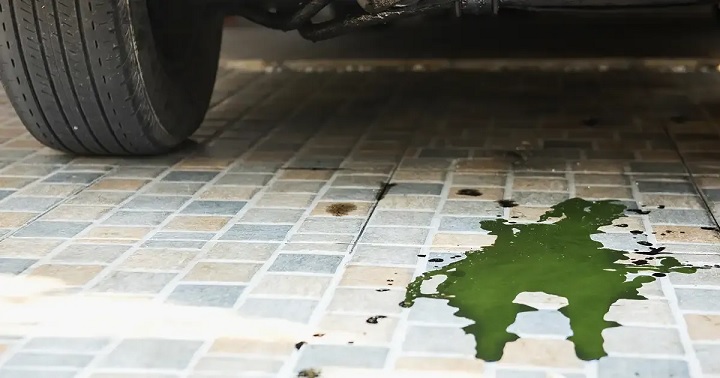
Your vehicle’s cooling system works silently in the background to protect your engine from overheating, but when a coolant leak develops, that protection can vanish quickly. Coolant—also known as antifreeze—circulates through your engine, absorbing heat and transferring it to the radiator where it’s safely dispersed. When that system leaks, even a small drip can turn into a serious issue that threatens your engine’s performance, efficiency, and lifespan.
Many drivers underestimate the danger of coolant leaks because the symptoms often appear minor at first. But ignoring a small puddle under your car or a slightly elevated temperature gauge can lead to major damage that costs thousands to repair. Understanding how coolant leaks happen, the early warning signs to watch for, and how to fix them before they cause lasting harm is key to keeping your vehicle running smoothly.
Early Warning Signs You Shouldn’t Ignore
Coolant leaks can be subtle at first, but they almost always give warning signs before causing catastrophic failure. The most obvious sign is a visible puddle of brightly colored liquid—usually green, orange, pink, or yellow—under your car after it’s been parked. Coolant has a slightly sweet smell, which makes it easy to distinguish from oil or water.
If you notice your temperature gauge creeping up or fluctuating more than usual, that’s another early sign of trouble. Low coolant levels reduce the system’s ability to regulate heat, forcing your engine to run hotter. Prolonged exposure to high temperatures can warp metal components, damage gaskets, and even crack the engine block.
A malfunctioning car thermostat is one of the most common causes behind coolant leaks and overheating. The thermostat controls how much coolant flows between the engine and radiator. When it sticks open, the engine may take too long to warm up, leading to inefficient fuel use. When it sticks closed, coolant can’t circulate, causing heat to build up rapidly. Both scenarios put stress on hoses and gaskets, increasing the likelihood of leaks.
Sometimes, coolant leaks originate from less obvious places, like the water pump, radiator seams, or heater core. These components can corrode over time, especially if the coolant hasn’t been changed at the recommended intervals. Old coolant loses its anti-corrosive properties, allowing rust and debris to build up inside the system.
Steam from under the hood, a sweet smell inside the cabin, or fogging on the windshield can indicate a leak in the heater core, while white smoke from the exhaust might suggest a blown head gasket—an advanced stage of coolant system failure.
If you frequently have to top off your coolant but don’t see any visible leaks, it may be evaporating internally. This often happens when coolant seeps into the combustion chamber, where it burns off unnoticed. In such cases, a professional pressure test is the best way to find the source.
Protecting Your Engine from Overheating Damage
Once coolant begins leaking, your engine loses its ability to maintain a stable operating temperature. The longer it runs hot, the more extensive the damage becomes. Overheating can cause aluminum heads to warp, crack gaskets, and even seize pistons—all repairs that can easily exceed the cost of routine maintenance.
Your air conditioning system can also be affected. The r134a refrigerant used in your A/C relies on stable engine temperatures to operate efficiently. When your cooling system fails, it can put additional strain on the compressor and refrigerant lines. A failing cooling system not only impacts your engine but can also cause your A/C to lose its cooling power, leaving you uncomfortable and your vehicle less efficient overall.
Regular maintenance is the key to preventing these issues. Start by checking your coolant level every few weeks, especially before long drives or during extreme temperatures. Always check levels when the engine is cool, as removing the radiator cap when hot can release pressurized steam and cause burns.
Inspect hoses for bulging, cracking, or soft spots, and replace them immediately if you notice any wear. Look around the water pump and radiator cap for residue or wet spots—signs that coolant may be seeping out. If you’re unsure where the leak originates, a UV dye kit or pressure test can help pinpoint the problem quickly.
Also, make sure you’re using the correct type of coolant for your vehicle. Mixing incompatible coolants can reduce corrosion protection and cause sludge buildup that blocks the system. Most modern vehicles require long-life or extended-range coolants, which can last up to 100,000 miles, but always check your owner’s manual for specifics.
Your vehicle’s fan system also plays a critical role in cooling efficiency. Electric fans are designed to switch on automatically when the temperature rises. If you notice the fan isn’t activating, the issue could stem from a bad relay, fuse, or temperature sensor. Ensuring the fan operates properly helps prevent the coolant from boiling over in stop-and-go traffic or hot weather.
Finally, if your temperature gauge spikes suddenly or you see steam from the hood, pull over immediately and shut off the engine. Continuing to drive while overheating can cause irreversible engine damage in minutes. Allow the engine to cool completely before checking the coolant level or attempting to drive again.
If you can’t locate the leak or suspect internal damage, it’s best to schedule an appointment with a mechanic shop near me as soon as possible. A certified mechanic can perform a pressure test, inspect the thermostat and water pump, and repair or replace any failing components before the damage spreads.
Final Thoughts
Coolant leaks may seem like minor inconveniences, but they’re warning signs of deeper problems that should never be ignored. A small leak today can become a full-blown overheating event tomorrow, leading to costly repairs and reduced engine life. By monitoring fluid levels, checking for warning signs, and maintaining components like the thermostat, refrigerant, and hoses, you can prevent most cooling system issues before they escalate.
If you ever notice fluid under your car or experience fluctuating temperatures, don’t take chances—have your vehicle inspected right away. Quick attention to coolant leaks not only saves you money but also protects your engine, keeps your air conditioning efficient, and ensures your vehicle performs reliably in every season.


