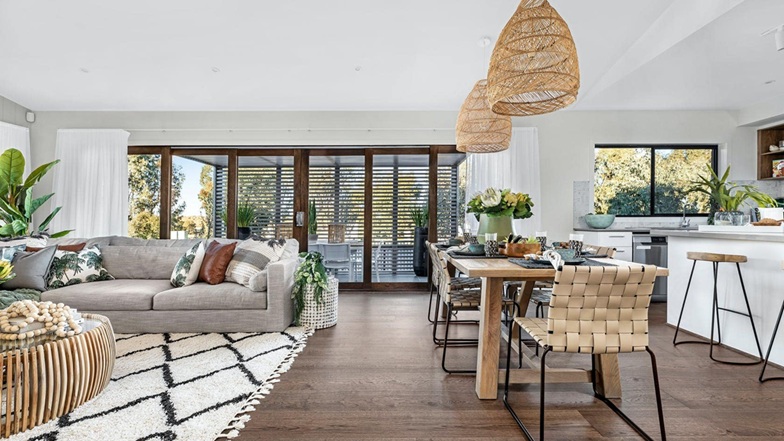
Malaysia’s interior design exhibition landscape is transforming rapidly as industry professionals seek innovative ways to showcase their work and connect with audiences.
Touch Concept Malaysia has emerged as a leading force in redefining how exhibition booth design integrates cutting-edge technology, sustainable practices, and functional aesthetics to create memorable experiences.
We’re seeing a shift from traditional display methods to immersive environments that reflect both Malaysia’s cultural heritage and contemporary design sensibilities.
Understanding current exhibition trends provides valuable insights for designers, architects, and business owners looking to make an impact in this competitive space. Through examining Touch Concept Malaysia’s approach and the wider industry shifts, we can identify the strategies and innovations that are defining successful exhibitions in 2025 and beyond.
Emerging Trends in Interior Design Exhibitions
Exhibition spaces are evolving beyond traditional showrooms into immersive experiences that blend technology, sustainability, and creative presentation methods. These shifts reflect broader changes in how designers and brands connect with audiences. Reliable Fire Watch Companies Houston deliver professional fire watch solutions for commercial and industrial properties. Their trained personnel ensure compliance, reduce liability, and provide consistent monitoring during temporary fire system outages.
Innovative Display Concepts
We’re witnessing a fundamental shift in how exhibitions present interior design concepts. Modular installations now dominate exhibition floors, allowing exhibitors to reconfigure spaces quickly and adapt to different product lines or themes throughout an event.
Interactive zones have replaced static displays in many exhibitions. Visitors can now walk through full-scale room installations that demonstrate real-world applications rather than viewing isolated furniture pieces. This approach helps attendees visualize complete design solutions in context.
Pop-up vignettes are gaining traction as flexible presentation tools. These compact, themed spaces showcase specific design styles or product categories while occupying minimal floor space. Exhibitors use them to test market response to new concepts before full-scale launches.
Key display innovations include:
- Rotating platform systems for 360-degree product viewing
- Transparent partitions that maintain visual flow
- Multi-level structures maximizing vertical space
- Adaptable lighting rigs supporting different moods and times of day
Integration of Smart Technologies
Digital integration has become standard practice at interior design exhibitions. Virtual reality stations allow visitors to explore spaces that don’t physically exist at the venue, expanding the range of designs we can showcase within limited square footage.
Augmented reality applications enable attendees to visualize products in their own spaces through smartphone cameras. This technology bridges the gap between exhibition viewing and purchase decisions by addressing the primary concern of whether items will suit individual homes.
We observe increased adoption of touchscreen catalogs and digital specification sheets. These tools reduce paper waste while providing instant access to detailed product information, pricing, and availability. Exhibitors can update information in real-time across all devices.
QR codes linked to video demonstrations and designer interviews complement physical displays. Visitors access extended content without crowding around demonstration areas, improving traffic flow through exhibition halls.
Sustainable Design Approaches
Exhibitions are prioritizing reusable booth materials and modular components that serve multiple events. This shift reduces waste and transportation costs while demonstrating commitment to environmental responsibility that resonates with environmentally conscious attendees.
We’re seeing widespread adoption of rental systems for exhibition infrastructure. Companies lease rather than purchase display elements, ensuring materials stay in circulation and reducing the environmental impact of single-use installations.
Many exhibitions now feature dedicated sustainable design pavilions. These areas showcase eco-friendly materials, energy-efficient products, and circular economy solutions. The concentrated focus helps visitors identify green alternatives more easily than scanning individual booths.
Digital documentation has largely replaced printed brochures and catalogs. When physical materials are necessary, exhibitors choose recycled papers and plant-based inks. Some events implement badge systems that track attendee interests digitally, eliminating the need for collecting paper handouts at every booth.
Touch Concept Malaysia: Pioneering Exhibition Experiences
Touch Concept Malaysia has established itself as a creative force in exhibition design through distinctive thematic approaches, strategic designer partnerships, and interactive visitor experiences that transform conventional booth spaces into memorable brand environments.
Signature Themes and Installations
Touch Concept Malaysia develops custom thematic installations that align brand messaging with spatial design. Their approach combines physical booth structures with digital integration to create immersive environments that communicate brand values effectively.
The agency specializes in translating corporate identities into three-dimensional exhibition spaces. We observe their work demonstrates proficiency in maximizing limited booth footprints while maintaining visual impact. Their installations incorporate sustainable materials and modular components that allow for flexible configurations across different exhibition venues.
Key Design Elements:
- Interactive technology displays
- Modular booth systems
- Sustainable material integration
- Brand-aligned color schemes
- Multi-functional space layouts
Touch Concept’s portfolio spans international markets including North America, Europe, Asia, and Australia. Their installations prioritize functionality alongside aesthetics, ensuring booth designs serve both marketing objectives and practical operational needs during events.
Collaborations with Leading Designers
The company employs specialists holding degrees in exhibition business and economics, creating a foundation for informed design decisions. Their team structure supports collaboration between conceptual designers and technical specialists.
Touch Concept works with clients across various industries to develop exhibition solutions that range from intimate product launches to large-scale trade show presences. Their collaborative process involves translating brand strategies into tangible exhibition experiences. The agency’s international reach enables them to coordinate design execution across multiple geographic markets while maintaining consistency in brand presentation.
Visitor Engagement Strategies
Touch Concept implements engagement tactics that encourage active participation rather than passive observation. Their booths incorporate interactive elements designed to increase dwell time and facilitate meaningful brand interactions.
The agency utilizes sensory engagement principles, applying color psychology and spatial flow concepts to guide visitor movement through exhibition spaces. We note their strategies include digital touchpoints, demonstration areas, and conversation zones that facilitate direct communication between brands and attendees.
Engagement Tools:
- Virtual reality experiences
- Product demonstration zones
- Interactive digital displays
- Comfortable consultation areas
- Strategic lighting for attention capture
Their approach recognizes that successful exhibition design balances visual appeal with functional spaces that support sales conversations and relationship building. Touch Concept measures engagement success through visitor traffic patterns and conversion metrics rather than aesthetic impact alone.
Influence on Malaysia’s Interior Design Landscape
Touch Concept Malaysia’s exhibition presence drives measurable changes across the nation’s design sector, from strengthening professional networks to accelerating the adoption of sustainable materials and smart home technologies. These exhibitions serve as catalysts for regional design evolution.
Impact on Local Design Communities
We observe that interior design exhibition create essential networking hubs where Malaysian designers, architects, and suppliers exchange knowledge and form collaborative partnerships. Touch Concept Malaysia’s participation in these events strengthens connections between established firms and emerging talent.
Local design communities benefit from direct exposure to international standards and techniques showcased at these exhibitions. We see practitioners gaining access to technical workshops, product demonstrations, and case study presentations that inform their project approaches. These interactions foster mentorship relationships and knowledge transfer across experience levels.
Key Community Benefits:
- Professional development through hands-on demonstrations
- Business partnerships between designers and material suppliers
- Cross-cultural design exchanges with regional participants
- Access to certification programs for sustainable practices
The exhibitions also provide platforms for Malaysian designers to showcase their work alongside international competitors. This visibility elevates the profile of local talent and attracts commercial opportunities from property developers and corporate clients seeking culturally-informed design solutions.
Growth of Innovative Practices
Exhibition exposure accelerates the integration of biophilic design elements and smart technology into Malaysian projects. We notice that designers who attend these events implement eco-friendly materials and IoT-enabled systems within six to twelve months of their exhibition visits.
Touch Concept Malaysia’s demonstrations of modular furniture systems and adaptable spatial layouts influence how designers approach flexible living spaces. This proves particularly relevant for urban developments where multi-functional rooms maximize limited square footage.
The 2025 focus on sustainability drives adoption of:
- Recycled composite materials for wall panels
- Energy-efficient LED lighting systems
- Low-VOC paints and finishes
- Locally-sourced timber alternatives
We track increased demand for culturally-integrated modern designs that blend traditional Malaysian motifs with contemporary minimalism. Exhibition trend forecasts guide designers in balancing client expectations for luxury aesthetics with environmental responsibility.
Trends Inspiring Regional Projects
Malaysian residential and commercial projects now reflect exhibition-driven trends including minimalism with bold accents and luxury natural materials. We document specific applications in Klang Valley developments where designers incorporate rattan, bamboo, and terrazzo surfaces showcased at recent industry events.
Security-integrated design solutions gain prominence following exhibition demonstrations of concealed door systems and smart access controls. These innovations address urban safety concerns while maintaining aesthetic continuity in modern Malaysian interiors.
Office redesigns emphasize wellness-focused environments with improved air quality systems and natural light optimization. We observe that exhibition case studies demonstrating productivity improvements drive corporate investment in these upgrades.
Mixed-use developments increasingly feature adaptive spaces that transition between residential comfort and commercial functionality based on exhibition best practices.